
Why Coquina is Everywhere in SW Florida - and What it Really Means
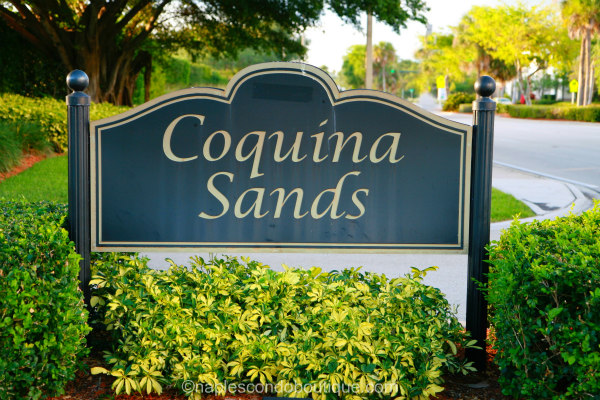
It seems the word coquina is everywhere in Southwest Florida, but have you ever wondered what it means? Sure, Coquina Sands is a popular, long-standing community. It actually began around the Mid-Century mark and now includes hundreds of single-family homes and condos.
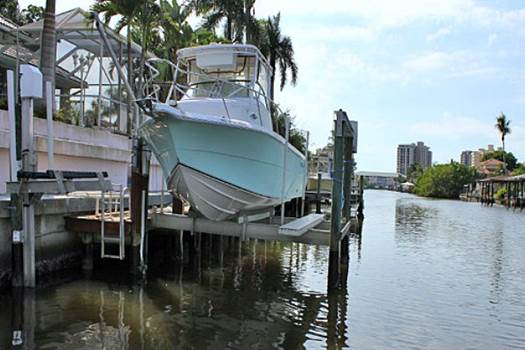
Some of the most desirable are the waterfront homes with direct Gulf access. The community has a golf course on its southern side, plus there’s also popular Lowdermilk Park, and of course, Gulf access on the western side of the community.
The word coquina, though, isn’t just tied to this one single community. Coquina actually refers to a small, local clam that evolved to play an important role in Florida’s development. When thousands, or even millions, of its shells pile up over a long period of time, those shell layers solidify and are almost “glued” together with calcium carbonate.
The material is prevalent along the Atlantic shoreline. The layered shells form a type of limestone called coquina. That’s the Spanish word for “tiny shell”, and this newly found, natural product proved to be highly durable.
In the early years, the Spanish needed a way to fortify St Augustine and protect it from the British. The used coquina stone from Anastasia Island to construct the Castillo de San Marcos in the 1600s. The thick shell rock proved to be so highly durable that it even held up to cannon fire.
As it turns out, Anastasia Island was once called Cantera, which means quarry in Spanish. It had a large supply of coquina rock, and that rock has now been used in Florida for hundreds of years.
Proven to be a strong building material, the Spanish also used coquina stone to build Fort Matanzas, plus it was used to construct many other Colonial-era buildings and structures. It’s a testament to not only the strength of coquina but also the workmanship that evolved in Florida with a new, strong stone that could be quarried locally.






Post a Comment